
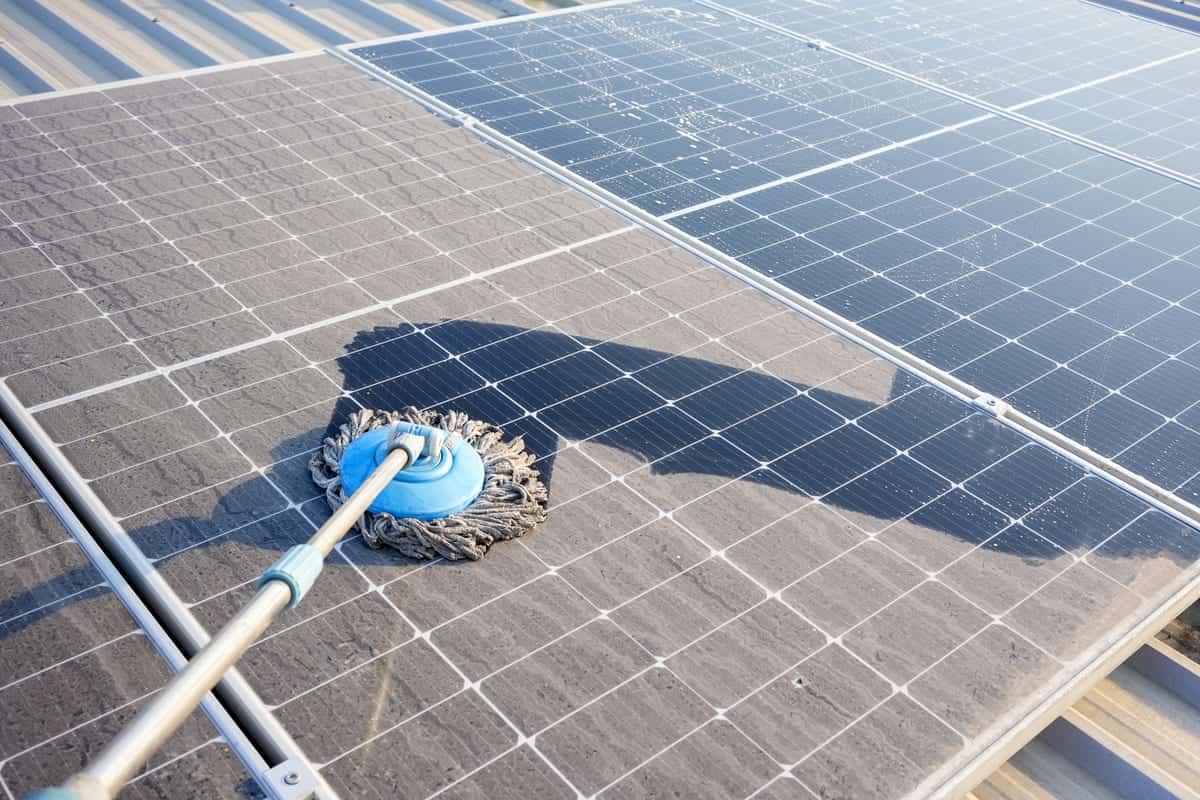
Some people barely glance at their solar panels until a storm throws dust around. Others inspect them like a routine chore. Somewhere in the middle sits the average homeowner who knows solar panel cleaning matters, yet may not be entirely sure how often to do it or what method works best without damaging the glass.
Questions about cleaning come up frequently for anyone living with Residential Solar Energy, especially in places where pollen, hard water, and sudden shifts in weather settle on the surface. A panel that looks clean from the driveway can still hold a thin layer of grime that quietly reduces output. That layer is troublesome because energy loss shows gradually. People rarely notice a sharp drop until bills creep up.
If your first thought is to simply spray everything with a hose, you are not alone. Many try it once, feel satisfied, then forget about the buildup that returns later. Solar sees this pattern often because the wind and heat cause fine dust to cling in ways that water alone cannot fully remove.
So what do people actually do?
A Look at Common Solar Panel Cleaning Habits Across Homeowners
Homeowners tend to fall into a few patterns. Some are cautious, some experimental, and some do nothing at all for months. It appears that solar panel cleaning is influenced less by technical recommendations and more by weather, convenience, and what someone feels comfortable climbing onto.
Below is a simple comparison showing what people typically choose and how effective each habit is.
Typical Cleaning Habits and Their Results
| Cleaning Habit | How People Do It | Effectiveness | Risks or Limitations |
| Hose rinse | Quick spray from the ground | Moderate when the dust is light | Hard water marks, missed areas |
| Soft brush with a pole | Gentle scrubbing with soapy water | High for typical residential dirt | Requires proper soap and reach |
| Professional cleaning | Annual or biannual service | Very high | Cost varies by region |
| Rain only | No action taken | Low to moderate | Rain can spread grime, not remove it |
| Pressure washer | Some attempt this method | Not recommended | Can crack panels or void warranties |
Why Solar Panel Cleaning Matters More Than Many Realize
Panels that gather pollen or dust lose small percentages of efficiency at first. It is believed that in locations with long dry periods, the loss can grow large enough to affect Solar ROI over time.
Some ask whether modern panels are self-cleaning. They are not. The glass is designed to shed water, not repel dirt. When combining humidity, tree sap, and airborne pollution, a thin film begins to cloud the surface. It is not visible unless viewed up close in low light.
For homeowners pursuing Solar Installation Texas wide, the long-term payoff depends on how well the system maintains peak performance. Neglect works against the math, especially when investing in premium equipment.
Environmental Factors That Drive the Need for Regular Cleaning
College Station, Dallas, Houston, and other Texas regions share a mix of environmental conditions that coat panels more frequently than many expect.
Pollen
Seasonal pollen settles like a soft powder. It sticks. Rain spreads it, turning the layer into a thin film.
Wind and Dust
Dry days carry light soil, especially around open fields and new construction sites.
Humidity
Moisture binds particles to the glass.
Heat
Warm glass traps debris faster, almost like static.
People who live near farms or busy roads usually see faster buildup. Those with rooftop angles that collect leaves need targeted cleaning around winter or after storms.
How People Choose Cleaning Products
A discussion among solar owners usually brings up several household cleaners, much to every installer’s concern. Dish soap is common. Vinegar appears often. Some even try window cleaners.
Experts hesitate with one-size solutions, partly because every manufacturer lists different chemical limits. A mild biodegradable soap remains the safest bet. Anything harsh, risks streaking, or residue that interferes with light.
Another overlooked factor is water hardness. Many Texas homes have mineral-rich water. Once dried, these minerals create tiny spots that scatter sunlight. That is why some owners prefer purified or filtered water when cleaning larger arrays.
Techniques That Seem Simple Yet Make a Noticeable Difference
People who clean effectively share a few quiet habits.
- They clean early in the morning while the panels are cool
- They use long-handled soft brushes, not abrasive pads
- They rinse with low pressure, never with direct force
- They let panels air dry instead of wiping
Small choices add up. A cool surface prevents streaking. Soft bristles prevent micro scratches. And a gentle rinse avoids loosening panel seals or damaging connectors.
Not every homeowner follows these steps perfectly, but those who do often report better consistency in energy output across the year.
Keep Your Solar Panels Shining Without the Hassle
Many people choose to outsource the task once they realize how long poles, correct soaps, and safe access reduce the hassle. If someone prefers avoiding rooftop work, companies understand that Residential Solar Energy systems can help maintain performance without risking panel damage.
If you ever reach a point where climbing a ladder feels unnecessary, you can look at providers like TX Solar Batteries. The company is known more for installation and system design, yet homeowners appreciate having a team that understands how every component behaves under Texas conditions. Safe cleaning methods, product warranties, and proper inspection techniques give owners peace of mind.
Skip the Ladder, Protect Your Panels – Schedule Expert Cleaning with TX Solar Batteries Today!
When Cleaning Connects Back to Solar ROI
Clean panels absorb more light. More light creates more kilowatt production. Over the years, those kilowatts turn into savings. Solar ROI depends heavily on sunlight, so anything that blocks it affects the return curve.
It may be tempting to ignore a thin layer of dust, yet the small loss accumulates. A few percentage points each month become hundreds of kilowatt hours across the year. That is why consistent solar panel cleaning is not merely cosmetic.
Practical Tips People Follow Without Complicating the Process
- Inspect from the ground first
- Clean early morning or late evening
- Avoid abrasive materials
- Avoid strong detergents
- Never spray cold water on hot glass
- Check inverter logs for output shifts
Conclusion: A Simple Routine That Protects Long-Term Performance
Solar panel cleaning is not difficult, yet it sits low on many homeowners’ priority lists. The more someone observes their system, the more they notice how small environmental changes can affect output. Some rain helps. Some dirt remains. Most methods work as long as they are gentle, consistent, and done with an understanding of what the panels can handle.
A clean panel collects light. A clean panel performs well. How often each person manages that cleaning varies across households, but every bit of attention preserves energy gains. It may be worthwhile to consider how your own routine fits into that pattern.
FAQs
How often should solar panels be cleaned
Usually, once or twice a year, though dusty regions may need seasonal cleaning.
Can rain clean solar panels
Rain helps remove loose dust, but it often leaves film and mineral spots.
Is pressure washing safe
Not recommended. It may damage seals or crack the glass.
Do dirty panels affect Solar ROI
Yes. Lower efficiency reduces long-term production and return value.
What is the safest cleaning method
Cool panels, soft brush, mild soap, gentle rinse, and air dry.