
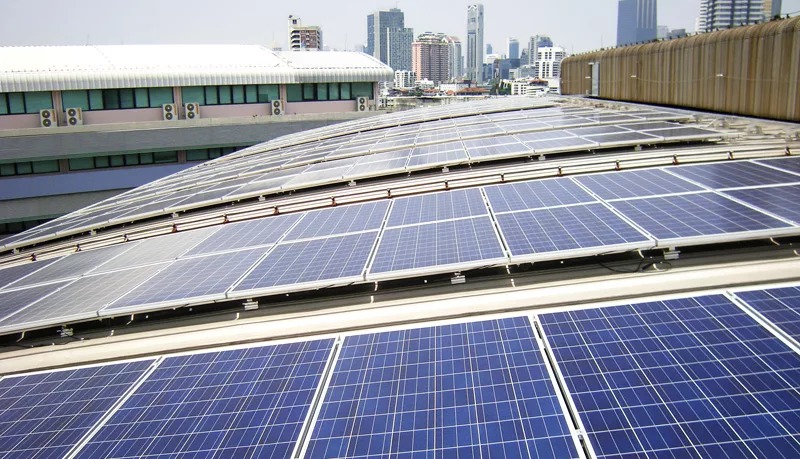
Walk around any industrial park in Texas and notice a quiet shift happening across rooftops and open lots. Panels are arranged in long rows. A few small inverters tucked under a metal shade. Many companies appear to be rethinking the way they power their operations, and commercial solar power systems are at the center of that move.
The concept sounds straightforward. Put panels on a building and collect energy. Simple in theory, not so simple when a business depends on reliable power every hour. Many owners hesitate until they see how these systems actually function. Once the pieces become clear, the technology starts feeling less like a trend and more like a long-range investment with measurable Solar ROI.
How Commercial Solar Power Systems Work in Practical Terms
A commercial system begins with sunlight, but the real action sits in the chain of components that convert that sunlight into usable power. Panels capture photons and create direct current. That current moves to inverters that shift it to alternating current. Commercial Solar Energy Systems rely on inverters more than most people realize since they balance power, protect equipment, and keep everything aligned with grid standards.
Some sites also use optimizers or microinverters. Others depend entirely on string inverters since they scale easily for large arrays. It varies by the type of facility. Warehouses often prefer long strings since they usually have clean, open roof lines. Retail sites may choose microinverters because shade from nearby structures creates variability in panel output.
Why Businesses Turn Toward Solar in the First Place
Electricity costs climb. Most companies notice that pattern and want a way to stabilize long-term expenses. A commercial solar power system creates predictable energy production. It will not eliminate the entire bill, but it often changes how a company manages annual operating costs.
Some businesses also add solar to improve resiliency. When paired with battery storage, the site can keep critical loads running during grid interruptions. This matters in Texas, where storms, heat spikes, and infrastructure strain occur more often than many would prefer to admit.
Core Components That Shape System Performance
A typical commercial solar power system includes:
| Component | Purpose | Notes |
| Panels | Capture sunlight and produce DC power | Efficiency and warranty shape long-term value |
| Inverters | Convert DC to AC | Critical for system safety, performance, and monitoring |
| Racking | Mounts panels to the roof or ground | Must match wind loads and structural conditions |
| Batteries | Store extra energy for later use | Adds resiliency and peak shaving |
| Monitoring | Tracks output and performance | Used for O&M and long-term planning |
Different products influence durability. For example, Canadian Solar panels offer long performance warranties. Enphase microinverters support modular designs. EG4 and LG Batteries appear often in Texas installations due to their reliability in harsher climates.
Types of Commercial Solar Installations in Texas
A business chooses from several layouts during a solar installation, depending on land, roof age, shading, and load profile. Rooftop arrays can be mounted on flat or pitched roofs, maximizing unused space. Carport structures provide shade and energy at the same time, making them a smart dual-purpose solution. Ground mounts use open land when rooftops are too congested or aging, offering flexibility and high efficiency for larger solar installations.
Each option comes with tradeoffs. Rooftops can limit system size but often reduce installation costs. Ground mounts deliver better airflow and higher output but require more space. Carports attract attention due to visibility and dual use, though they cost slightly more to build.
Energy Output and the Question of Real Value
Solar ROI can be a complicated subject. Some owners expect unbelievably fast payback. Others underestimate what a well-designed system can do. Real value comes from performance over time, not just immediate savings.
Factors affecting ROI include utility rates, available incentives, shading, battery pairing, and the company’s energy use patterns. It sounds obvious, but systems that match actual load curves perform noticeably better. The numbers vary, and any responsible commercial solar company usually points that out early in the planning stage.
Maintenance and Longevity of Commercial Solar Systems
Panels tend to last decades. Inverters, however, require replacement once or twice in the system’s lifetime. Routine cleaning helps maintain output, especially in dusty regions. A decent monitoring portal alerts the team when production dips or a component drifts out of the expected range.
Commercial Solar Panels in Texas face unique challenges. Heat can affect voltage. Sudden storms bring heavy debris. A system designed for Texas conditions usually accounts for these variables with stronger racking, quality wiring, and durable inverters.
Common Misunderstandings About Large-Scale Solar
Some assume solar stops working on cloudy days. It still produces, though at reduced levels. Others assume batteries are mandatory for commercial use. Many businesses run perfectly well with grid-tie only. Another misconception involves roof damage. Proper racking uses engineering calculations and sealed attachments that protect the structure rather than harm it.
Choosing a Commercial Solar Company With Real Experience
Selecting a contractor affects performance more than many owners expect. Experience in structural assessment, electrical codes, and Texas weather patterns plays a role. A qualified installer understands utility interconnection policies and offers equipment that aligns with long-term reliability, not just short-term pricing.
The choice impacts maintenance, too. A company familiar with commercial solar power systems can troubleshoot inverter alerts, adjust monitoring settings, and recommend upgrades when technology evolves.
Maximize Your Energy with Texas-Ready Solar
Thinking about the next step in evaluating your site. It helps to speak with a contractor familiar with Texas conditions. TX Solar Batteries serves as a provider that works with EG4, Growatt, Canadian Solar, and similar brands. The service model focuses on onsite-specific design, sturdy installation practices, and energy systems built to handle Texas weather.
Schedule Your Site Assessment Today and Harness Reliable Solar Energy!
Conclusion
Commercial solar power systems give companies an option that blends steady production with long-term resilience. When planned well, they operate quietly in the background while shaping how a business manages energy for years. The possibilities continue to change, so the story remains open-ended.
FAQs
What size system does a typical business need?
It varies by facility load, roof space, equipment choice, and long-term goals.
Do commercial systems still work during outages?
Grid-tied systems shut off for safety, but battery-paired setups can continue powering selected circuits.
Are incentives still available?
Many incentives remain, including federal tax credits, though availability may shift over time.
How long does installation take?
Small projects wrap up in weeks. Larger ones can stretch into months.
Do panels require frequent cleaning?
In many cases, occasional rinsing works, but dusty or industrial areas may need more frequent maintenance.